Introduction
Backend development is no longer just about writing APIs and managing databases manually. Today, AI tools can help you write cleaner code, debug faster, design APIs, optimize databases, and even understand legacy backend systems.
But here’s the real problem 👇
There are too many AI tools, and most articles blindly recommend everything.
So, which AI tool is actually best for backend development?
In this guide, I’ll answer that honestly — based on real backend tasks, not hype. Whether you’re a beginner or an experienced backend developer, this article will help you choose the right AI tool for your exact needs.

What Makes an AI Tool Good for Backend Development?
Before naming tools, let’s be clear about what matters in backend work.
A good AI backend tool should help with:
- Writing server-side logic (APIs, controllers, services)
- Debugging errors and stack traces
- Database queries (SQL / NoSQL)
- Framework support (Node.js, Django, Spring Boot, Laravel, etc.)
- Code understanding and refactoring
- Security & performance suggestions
If an AI tool only auto-completes code but doesn’t understand backend context, it’s not enough.
Quick Answer (If You’re in a Hurry)
👉 GitHub Copilot is the best overall AI tool for backend development
👉 ChatGPT is best for logic, debugging, and architecture help
👉 Amazon CodeWhisperer is best for AWS-heavy backend projects
Now let’s break this down properly 👇
1️⃣ GitHub Copilot – Best Overall AI Tool for Backend Developers
If you write backend code daily, GitHub Copilot is currently the most practical AI assistant.
Why Copilot Works So Well for Backend
- Understands full backend files, not just one line
- Generates APIs, controllers, middleware, and services
- Supports Node.js, Python, Java, Go, PHP, C#, and more
- Learns from your coding style
- Excellent for frameworks like:
- Express.js
- Django & Flask
- Spring Boot
- Laravel
Real Backend Example
Copilot can generate:
Route
Controller logic
Validation
Error handling
That saves hours, not minutes.
Pros
✅ Best code completion
✅ IDE-level integration
✅ Speeds up real backend work
✅ Production-quality suggestions
Cons
❌ Paid
❌ Not great at explaining why something works
Best for:
Professional backend developers, startups, daily coding work
2️⃣ ChatGPT – Best for Backend Logic, Debugging & Learning
ChatGPT is not just a chatbot — for backend developers, it’s like a senior developer you can ask anytime.
Where ChatGPT Shines
Explaining backend concepts clearly
Debugging errors and stack traces
Writing complex business logic
Designing system architecture
Database design & query optimization
API design best practices
Example Use Case
You paste an error like:
“Why is my Node.js API timing out under load?”
ChatGPT can:
Explain the root cause
Suggest performance fixes
Recommend caching, queues, or async handling
Pros
✅ Excellent explanations
✅ Great for beginners & advanced devs
✅ Helps with architecture & system design
✅ Framework-agnostic
Cons
❌ No direct IDE integration
❌ Needs good prompts
Best for:
Learning backend, debugging, system design, problem-solving
3️⃣ Amazon CodeWhisperer – Best for AWS Backend Projects
If your backend is deeply tied to AWS, CodeWhisperer is a strong option.
Why It’s Useful
Optimized for AWS services
Generates secure backend code
Detects security vulnerabilities
Works well with:
Lambda
DynamoDB
S3
API Gateway
Pros
✅ Security-focused
✅ AWS-aware suggestions
✅ Free tier available
✅ Good for cloud backend
Cons
❌ Limited outside AWS
❌ Less flexible than Copilot
Best for:
AWS-based backend developers
4️⃣ Cursor AI – Best for Understanding Large Backend Codebases
Cursor AI is gaining popularity among backend developers working with large or legacy projects.
What Makes Cursor Different
Understands your entire codebase
Answers questions like:
“Where is user authentication handled?”
Helps refactor backend logic safely
Pros
✅ Codebase-level understanding
✅ Refactoring help
✅ Modern developer workflow
Cons
❌ Not beginner-friendly
❌ Smaller ecosystem than Copilot
Best for:
Large backend projects & teams
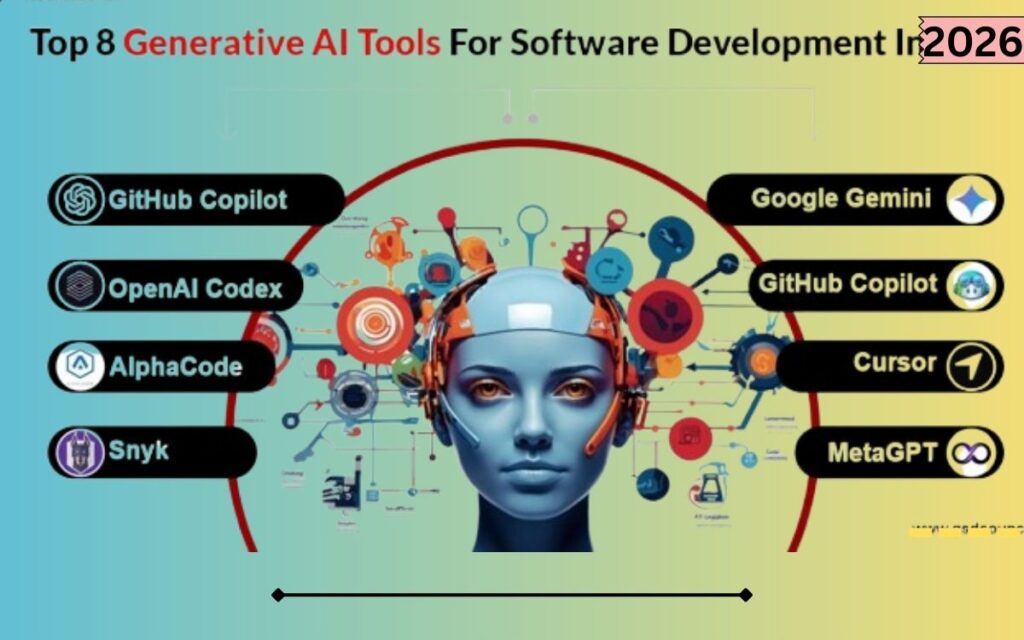
Comparison Table (Simple View)
| AI Tool | Best For |
|---|---|
| GitHub Copilot | Daily backend coding |
| ChatGPT | Logic, debugging, learning |
| CodeWhisperer | AWS backend |
| Cursor AI | Large codebases |
So… Which AI Tool Is Actually Best?
The honest answer:
There is no single perfect AI tool.
My real recommendation:
- Use GitHub Copilot for writing backend code faster
- Use ChatGPT for understanding, debugging, and architecture
This combo covers 90% of backend development needs.
Is It Safe to Use AI Tools for Backend Development?
Yes — if used correctly.
Best Practices
- Don’t blindly copy-paste sensitive logic
- Review AI-generated code
- Test everything
- Follow security best practices
AI should be your assistant, not your replacement.
FAQs (Very Important)
❓ Can AI replace backend developers?
No. AI speeds up work, but decision-making, architecture, and security still need humans.
❓ Is GitHub Copilot worth paying for?
If you code daily — yes. The time saved easily justifies the cost.
❓ Which AI tool is best for beginners?
ChatGPT is best for beginners because it explains concepts clearly.
❓ Can I use AI tools for production backend code?
Yes, but always review, test, and optimize before deploying.
Final Thoughts
If you want to grow as a backend developer in 2025 and beyond, AI tools are no longer optional.
👉 Start with ChatGPT to understand backend deeply
👉 Add GitHub Copilot to code faster
👉 Use CodeWhisperer if AWS is your main stack
The best backend developers don’t fear AI — they use it smartly.